


Encouraging messages for students help build confidence, strengthen resilience, and inspire young learners to keep moving forward. Whether students face exam pressure, difficult subjects, or self-doubt, the right words can motivate them to overcome challenges and believe in their abilities.
These messages are perfect for parents, teachers, and friends who want to offer support, celebrate progress, or remind students that mistakes are part of learning. Use them in classroom notes, text messages, or everyday conversations to inspire students to keep trying and reach their goals.
Short Encouragement Messages for Students
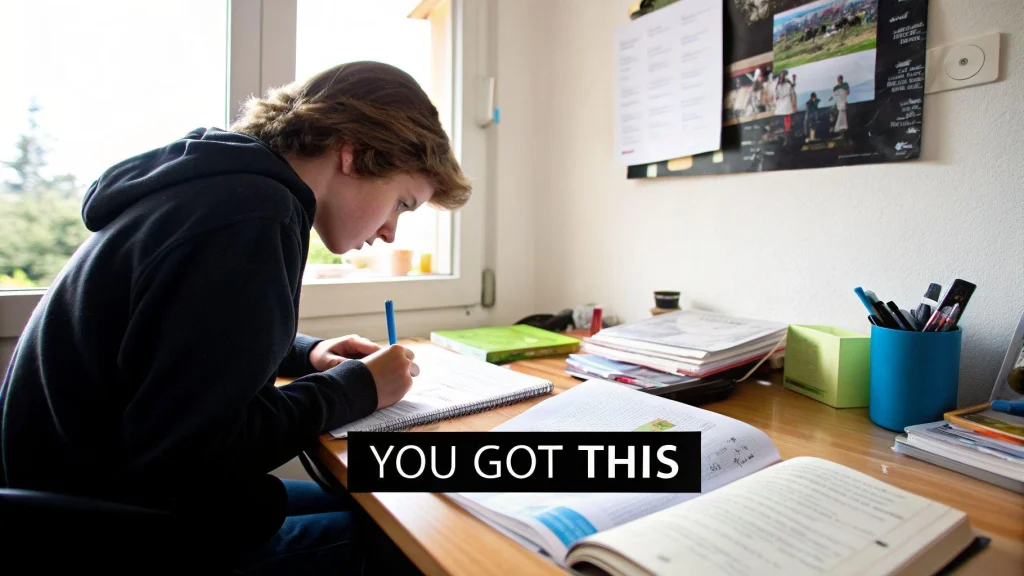
Quick bursts of encouragement can make an ordinary school day feel more manageable. These short messages are perfect for lunchbox notes, morning texts, classroom boards, or a quick reminder before a challenging lesson.
- You are capable of truly amazing things. Keep moving forward, one steady step at a time.
- Believe in yourself exactly the way I believe in you. You have absolutely got this!
- Remember that every expert was once a nervous beginner. Keep learning and growing.
- Your honest hard work will pay off. I am already proud of the effort you put in.
- Mistakes are proof that you are trying. Keep learning, improving, and moving forward.
- You are far smarter and stronger than you realize. Never let self-doubt define your abilities.
- Small progress is still real progress. Celebrate how far you have already come.
- Keep your head held high today. Wonderful opportunities are waiting for you.
- You do not have to be perfect to make progress. Just keep showing up.
- Every new day gives you another opportunity to learn something valuable.
- Trust your abilities, stay curious, and remember that you can improve with practice.
- Your future is built through the small, positive choices you make today.
Encouragement Messages for Students Before Exams

Exam anxiety is common, even among well-prepared students. Supportive words can help students manage their nerves, focus on what they know, and remember that an examination is only one part of their educational journey.
- You have studied diligently, and now your moment has arrived. Go shine brightly. Good luck!
- Take a deep breath and trust yourself. You know far more than you think.
- Exams do not define your worth. Your effort, determination, and character matter just as much.
- Stay calm, stay focused, and trust your preparation. I am cheering for you!
- You have done the hard work already. Walk into that examination room with confidence.
- Tackle one question at a time. You are more prepared than your nerves might suggest.
- Whatever the final result, I am proud of the effort you have invested. Best of luck!
- Get enough sleep, eat a healthy breakfast, and approach your exam with a clear mind.
- You do not need to know everything perfectly. Take your time and give each question your best effort.
- Remember how much you have learned. Trust your preparation and let your knowledge guide you.
- Your hard work has brought you this far. Stay positive and do your very best.
- One exam cannot measure your entire potential. Give yourself the chance to succeed without unnecessary pressure.
Messages for Students Who Feel Like Giving Up

When academic pressure becomes overwhelming, students may begin to question their abilities or consider abandoning their goals. These encouraging messages remind them that setbacks are temporary, asking for help is a strength, and progress does not always happen quickly.
- Please do not give up on yourself. The hardest chapters can teach you lessons that lead to meaningful growth.
- It is perfectly okay to rest for a while, but do not let one difficult moment decide your entire future.
- Every successful person has faced disappointment. Keep moving forward and give yourself another chance.
- Difficult seasons do not last forever. You have the strength to work through this one step at a time.
- Asking for help is wisdom, not weakness. You never have to face every challenge alone.
- Remember why you started. Your dreams still deserve your time, patience, and effort.
- Slow progress is better than standing still. Keep moving, even if you can only take one small step today.
- You have already overcome difficult days. Give yourself credit for the strength that brought you here.
- One disappointing result does not erase all your previous achievements or determine what you can accomplish next.
- You are allowed to struggle while learning. Difficulty does not mean you are incapable.
- Take a break, gather your thoughts, and return when you feel ready. Your journey does not need to be rushed.
- You do not need to have everything figured out today. Focus on the next helpful step.
Encouragement Messages for College Students

College brings new responsibilities, demanding coursework, personal growth, and important decisions. These messages encourage college students to trust their abilities, manage their expectations, and keep moving toward their academic and personal goals.
- College is challenging, but every challenge gives you an opportunity to grow. Keep building the future you imagine.
- Homesickness and uncertainty are part of adjusting to a new environment. Give yourself time to find your place.
- You belong here. Recognize the effort that brought you to this point and keep believing in your potential.
- Those late nights and demanding classes are helping you develop valuable skills for the future.
- It is okay to change your major, explore a new interest, or reconsider your plans. Growth often begins with new perspectives.
- Take care of yourself along the way. Rest, balance, and well-being are important parts of long-term success.
- Your hard work today is an investment in the knowledge and opportunities you are building for tomorrow.
- I am proud of you for pursuing meaningful goals, even when the journey feels difficult.
- You do not need to compare your college experience with anyone else’s. Your path is uniquely yours.
- Every assignment you complete and every challenge you face helps you discover what you are capable of achieving.
- Give yourself permission to learn through experience. You are in college to develop, not to know everything already.
- Keep asking questions, building connections, and exploring opportunities. Your education extends far beyond the classroom.
Encouragement Messages from Teachers to Students

Teachers influence much more than academic performance. Their words can help students develop confidence, curiosity, and a willingness to learn from mistakes. These messages are suitable for classroom conversations, progress reports, personal notes, and student recognition.
- I see tremendous potential in you. Keep working diligently, and you may surprise yourself with what you achieve.
- Your thoughtful questions make our classroom better. Please never stop being curious.
- I am proud of your steady improvement. Your consistent effort deserves recognition.
- You handled that difficult challenge with maturity and determination. Keep developing that attitude.
- Do not compare your first chapter with someone else’s twentieth. Your individual progress matters.
- Thank you for giving your best effort today. Your willingness to learn is valuable.
- Mistakes are welcome in this classroom because they give us opportunities to understand, improve, and grow.
- Protect your curiosity and kindness. These qualities will serve you well throughout your life.
- I appreciate the way you continue trying, even when a lesson becomes difficult.
- Your ideas matter, and your voice deserves to be heard. Never be afraid to contribute.
- You have made progress that you might not recognize yet. Keep practicing and trust the learning process.
- I believe in your ability to improve, and I am here to support you along the way.
Positive Messages for a New School Year

A new school year brings fresh opportunities to build friendships, develop new skills, and approach learning with renewed enthusiasm. These messages can help students begin the year with optimism and a positive attitude.
- New year, brand-new opportunities! Make this a school year filled with learning, growth, and wonderful memories.
- Walk through those doors with confidence. This year holds possibilities you have not discovered yet.
- Fresh notebooks and fresh goals await. I look forward to seeing everything you accomplish.
- Be kind, stay curious, and act bravely. A great school year begins with a willingness to learn.
- Last year taught you valuable lessons. Use those experiences to make this year even better.
- New teachers, new friends, and new adventures are waiting. Welcome every opportunity to grow.
- Choose one meaningful goal, create a plan, and take consistent steps toward achieving it.
- You are starting with a fresh opportunity to learn from the past and shape your future.
- Make room for new ideas, unexpected friendships, and achievements that begin with small efforts.
- You do not need to have a perfect first day. Just arrive ready to learn and give yourself time to adjust.
- Every school day is another chance to ask questions, discover interests, and become more confident.
- Start this year believing that improvement is possible. Your effort can make a meaningful difference.
How to Encourage a Struggling Student
Encouragement works best when it feels personal, sincere, and connected to what a student is experiencing. A general statement such as “You can do it” may offer temporary comfort, but thoughtful support can help students understand their challenges and identify practical ways forward.
Recognize Effort, Not Just Results
Praise students for their preparation, persistence, and willingness to try difficult tasks. Recognizing the process helps them understand that success involves consistent effort rather than perfect grades alone.
Listen Before Offering Advice
Give struggling students an opportunity to explain what feels difficult. Sometimes they need someone who listens without judgment before they are ready to consider solutions.
Break Large Goals Into Smaller Steps
A major assignment or difficult subject can feel overwhelming. Help students identify manageable tasks they can complete individually. Small achievements can restore confidence and make future progress feel more realistic.
Remind Them of Previous Successes
Encourage students to remember challenges they have overcome before. Discussing earlier achievements can help them recognize their strengths and understand that current difficulties do not erase their abilities.
Celebrate Progress Without Comparisons
Every student develops at a different pace. Recognize personal improvements instead of comparing one learner’s performance with classmates. This creates a healthier environment for confidence and motivation to grow.
Offer Support Without Increasing Pressure
Students benefit from knowing that asking for help is acceptable. Encourage them to speak with teachers, parents, tutors, or trusted friends when they need guidance. Support should make challenges feel manageable rather than adding another expectation to meet.
Powerful Encouraging Messages for Students Facing Failure
Failure can feel discouraging, especially when students have invested considerable time and effort in an assignment, examination, or personal goal. However, a disappointing result can also reveal what needs to change and provide a starting point for improvement.
These messages help students separate their self-worth from their academic results and approach setbacks with a constructive mindset.
- One failure does not make you a failure. It simply gives you another opportunity to learn.
- You cannot change yesterday’s result, but you can use its lessons to improve tomorrow.
- A disappointing grade is feedback about one performance, not a final judgment of your intelligence.
- Every setback can teach you something valuable when you approach it with patience and curiosity.
- Give yourself time to feel disappointed, then decide what you can do differently next time.
- Your worth is not written on a report card. You are more than any single result.
- Progress often begins when you identify what did not work and try a better approach.
- You have permission to start again, ask questions, and learn at your own pace.
- Do not let one difficult subject convince you that you cannot succeed in others.
- The courage to try again is an achievement in itself. Keep going and keep learning.
Motivational Messages for Students to Build Self-Confidence
Self-confidence helps students participate in class, express their ideas, attempt unfamiliar tasks, and recover from mistakes. Confidence does not mean never feeling nervous; it means learning to act despite uncertainty and trusting that skills can improve with practice.
- Your ideas deserve to be heard. Speak with courage and trust the value of your perspective.
- You do not need to be the best in the room to make meaningful progress.
- Believe in your ability to learn, even when the answer does not come immediately.
- You bring your own strengths, experiences, and ideas to everything you do.
- Every time you try something unfamiliar, you give yourself an opportunity to become more capable.
- Do not allow comparison to hide the progress you have made.
- You are allowed to ask questions, make mistakes, and take up space while learning.
- Confidence grows when you keep the promises you make to yourself, one small action at a time.
- Trust your preparation, value your effort, and remember that improvement takes practice.
- You do not have to feel fearless to do something brave.
Encouraging Messages for Students During Difficult Times
Students sometimes face challenges outside the classroom that affect their concentration, motivation, and emotional well-being. Family responsibilities, personal disappointments, friendship problems, and unexpected changes can make school feel especially demanding.
During these moments, students need reassurance that they do not have to manage everything perfectly or solve every problem at once.
- You are allowed to have difficult days. Take things one step at a time and give yourself patience.
- Whatever you are facing right now, remember that you deserve kindness and support.
- You do not have to carry every worry alone. Reach out to someone you trust when things feel heavy.
- It is okay to slow down and focus on what matters most today.
- Your current circumstances do not define your entire future. New possibilities can develop with time and support.
- Be as patient with yourself as you would be with a friend facing the same challenge.
- You can be struggling and still be making progress. Both things can be true.
- Take each day as it comes. Small, steady actions can help you find your footing again.
- Your feelings matter, and asking someone for support is a positive step toward feeling better.
- You do not need to prove your strength by handling everything alone. Let others help you when needed.
FAQs
What is a good encouraging message for a student?
A good encouraging message is specific, sincere, and supportive. For example, “I noticed how much effort you put into that difficult project. Keep learning and trust the progress you are making.” Specific encouragement helps students recognize their effort and understand that improvement is possible.
How do I motivate a student who has lost confidence?
Start by listening without judgment and acknowledging the challenges they are facing. Remind them of previous achievements, identify their strengths, and help them choose one small, realistic goal. Celebrate their progress without comparing them with other students.
What should I write in a note to encourage my child?
Keep the note short, loving, and personal. You could write, “I am proud of how hard you are trying. You do not have to be perfect to make me proud. Keep believing in yourself, and remember that I am always here for you.”
How can teachers best encourage shy students?
Teachers can encourage shy students by offering low-pressure participation opportunities, acknowledging their contributions respectfully, and providing positive feedback without putting them on the spot. Private encouragement can help students feel safer as they gradually build confidence.
What can I say to a student who failed an exam?
Remind the student that one exam does not determine their intelligence or future success. You might say, “I know this result is disappointing, but it does not define you. Let’s look at what you can learn from this experience and plan your next steps together.”
How can I encourage a student who is afraid of making mistakes?
Explain that mistakes are a normal part of learning and that nobody understands everything immediately. Encourage the student to ask questions, experiment with new approaches, and view errors as useful feedback rather than proof of failure.
Why are positive messages important for students?
Positive messages can help students feel supported, recognize their strengths, and approach challenges with greater confidence. When encouragement is genuine and paired with practical guidance, it can contribute to motivation, resilience, and a healthier attitude toward learning.
Final Thoughts
Encouraging words can make a lasting difference in a student’s life. Whether they are facing exams, overcoming setbacks, or starting a new chapter, sincere support helps them build confidence and recognize their potential.
Remind students that mistakes are part of learning and progress matters more than perfection. Your thoughtful words today may give them the motivation they need to believe in themselves and keep moving forward.

I’m Iram, a writer at BlessWhisper, where I share heartfelt blessings, prayers, inspirational messages, and uplifting words for everyday life. My goal is to create meaningful content that brings hope, encouragement, and positivity to readers.